Infrastructure
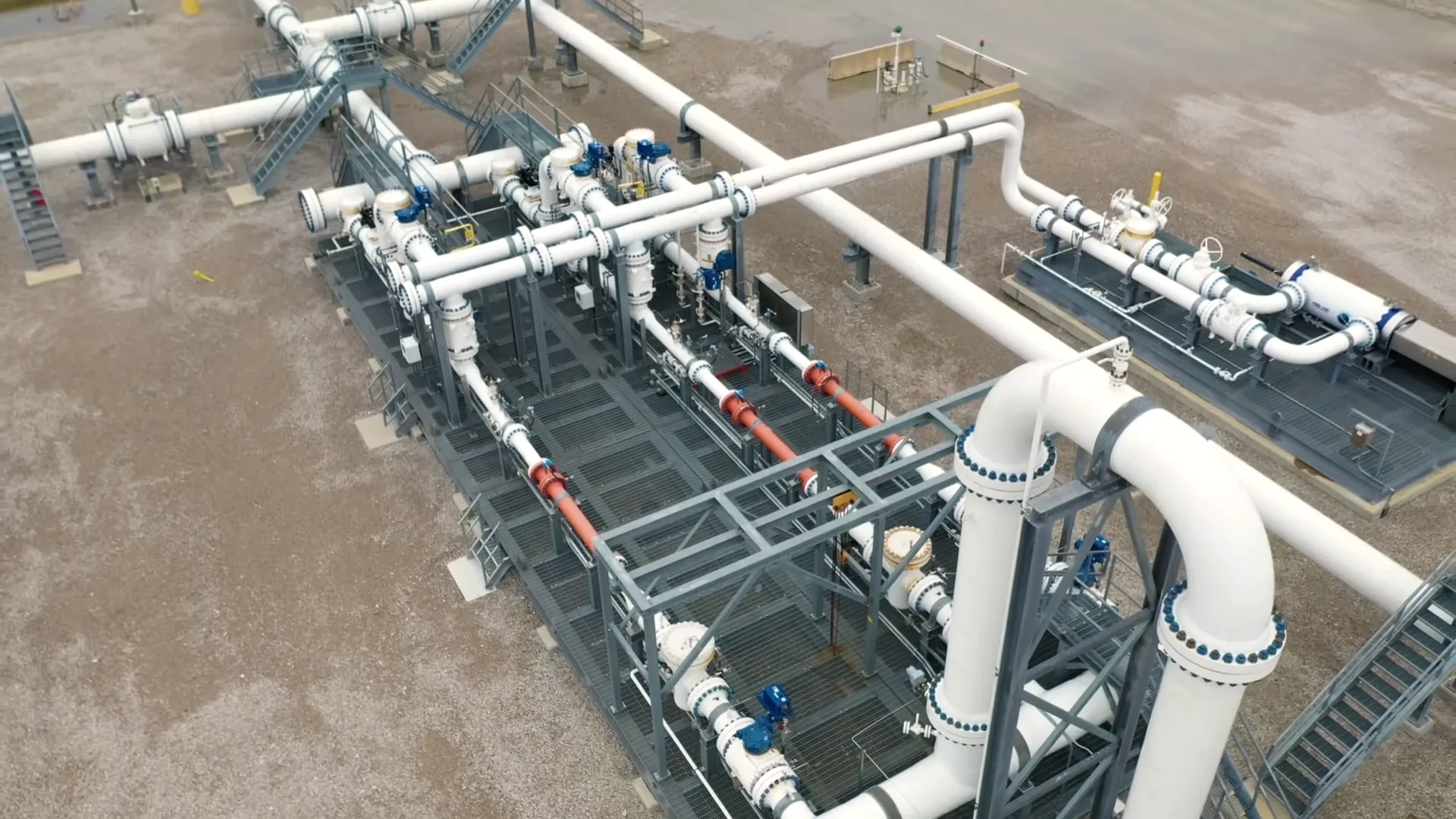
Storage, pipeline connections, manifolds and pumping infrastructure supporting the movement and storage of crude oil at Patoka.
Storage infrastructure
Storage lets crude arriving on one pipeline wait for space on the next. At Patoka, tank farms owned by several companies sit beside the pipelines they serve, spread across open farmland in Marion County.
Energy movement
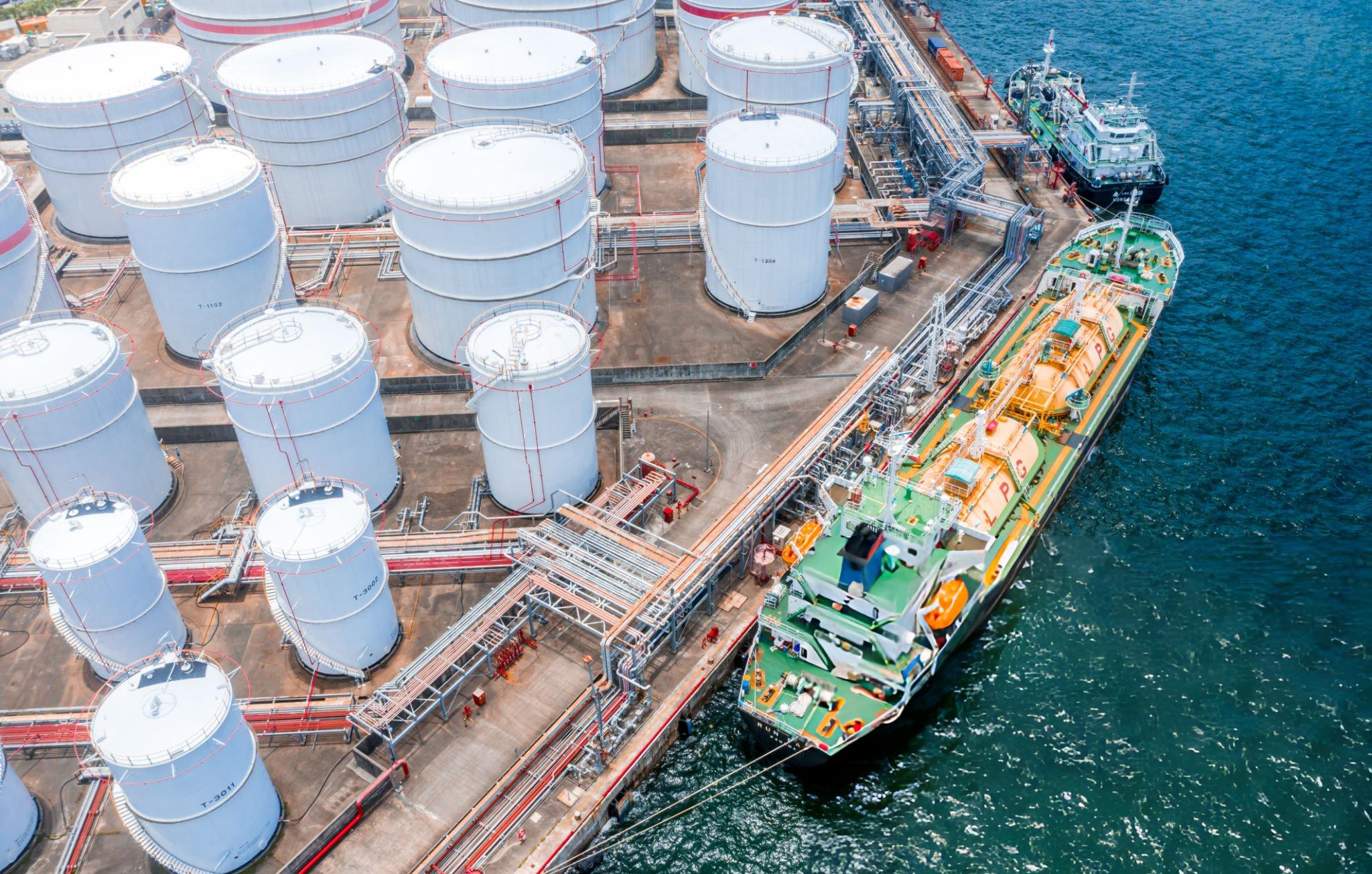
Energy infrastructure is a connected system. Supply moves through pipelines, terminals, storage facilities, transport networks and trading hubs before reaching its next destination.
Energy products enter a connected infrastructure system through pipelines, terminals, marine facilities, road networks and other established supply routes.
Regional connection Infrastructure links production areas with storage facilities, trading centres and downstream markets.
Volumes and product characteristics are monitored as energy moves between infrastructure systems, supporting operational control, commercial settlement and efficient transfer.
Operational control Measurement and monitoring help maintain consistency as products move between suppliers, terminals and markets.
Storage provides flexibility within the energy supply chain, allowing products to be held, managed and scheduled according to supply, demand and market requirements.
Infrastructure flexibility Strategic storage can connect incoming supply with future transportation, processing and trading requirements.
Pumps, pipelines, manifolds and transfer systems move products from storage into the next stage of the supply chain.
Connected infrastructure Transfer systems provide the physical link between terminals, transportation networks and downstream destinations.
Energy ultimately moves toward refineries, industrial users, distribution networks, export facilities and international trading markets.
Global reach Patoka's strategic network spans Patoka, Houston / Gulf Coast, Rotterdam, Fujairah, Singapore, Malaysia and China.

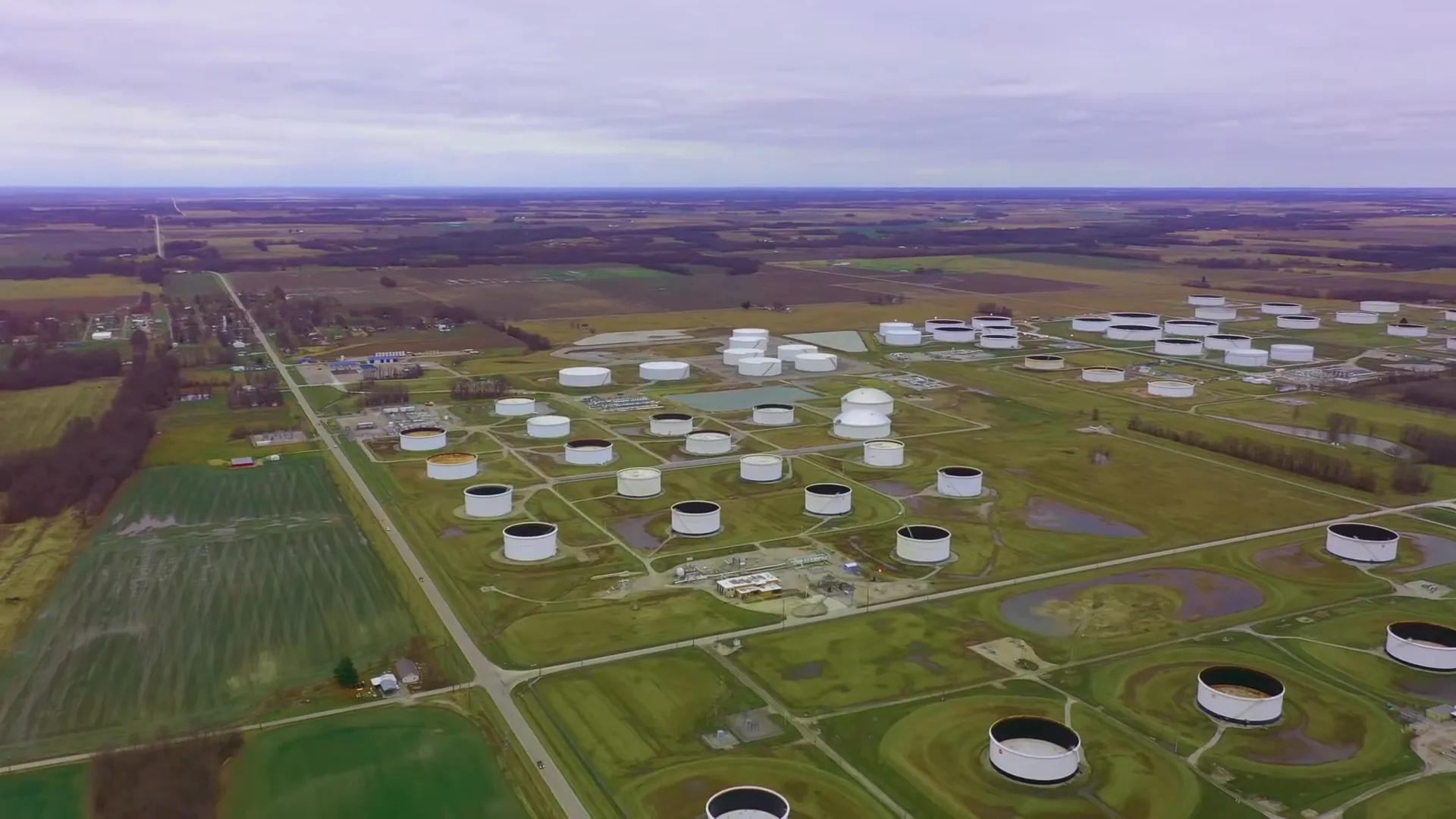
Patoka Oil Terminal
For enquiries about our infrastructure, network, services and commercial opportunities, contact the Patoka team.
North America · Patoka · Houston / Gulf Coast
Europe & Middle East · Rotterdam · Fujairah
Asia · Singapore · Malaysia · China