Energy Transition
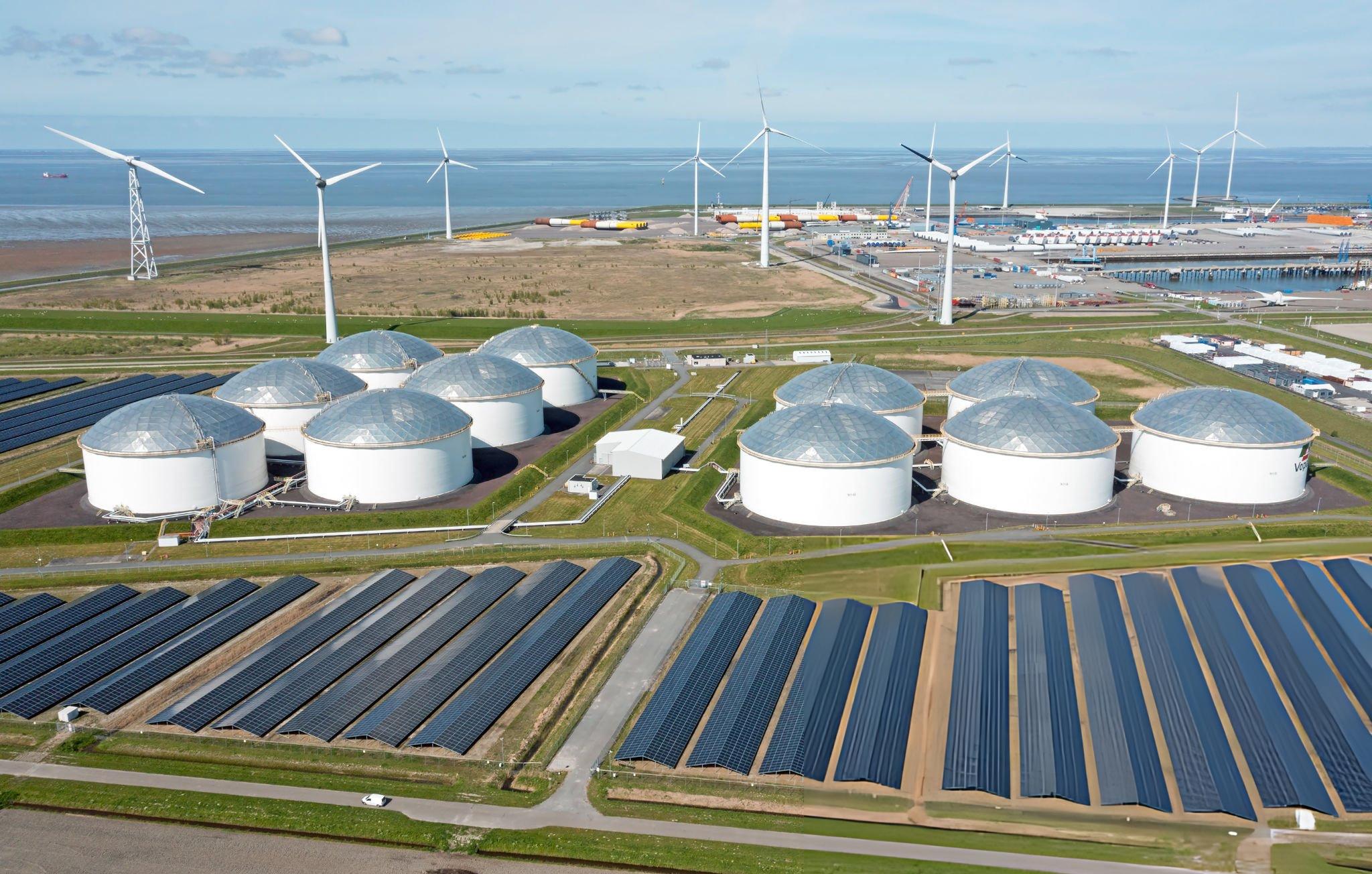
The energy transition is reshaping how energy is produced, transported, stored and consumed. Patoka focuses on the infrastructure and capabilities needed to support that change.
Infrastructure in transition
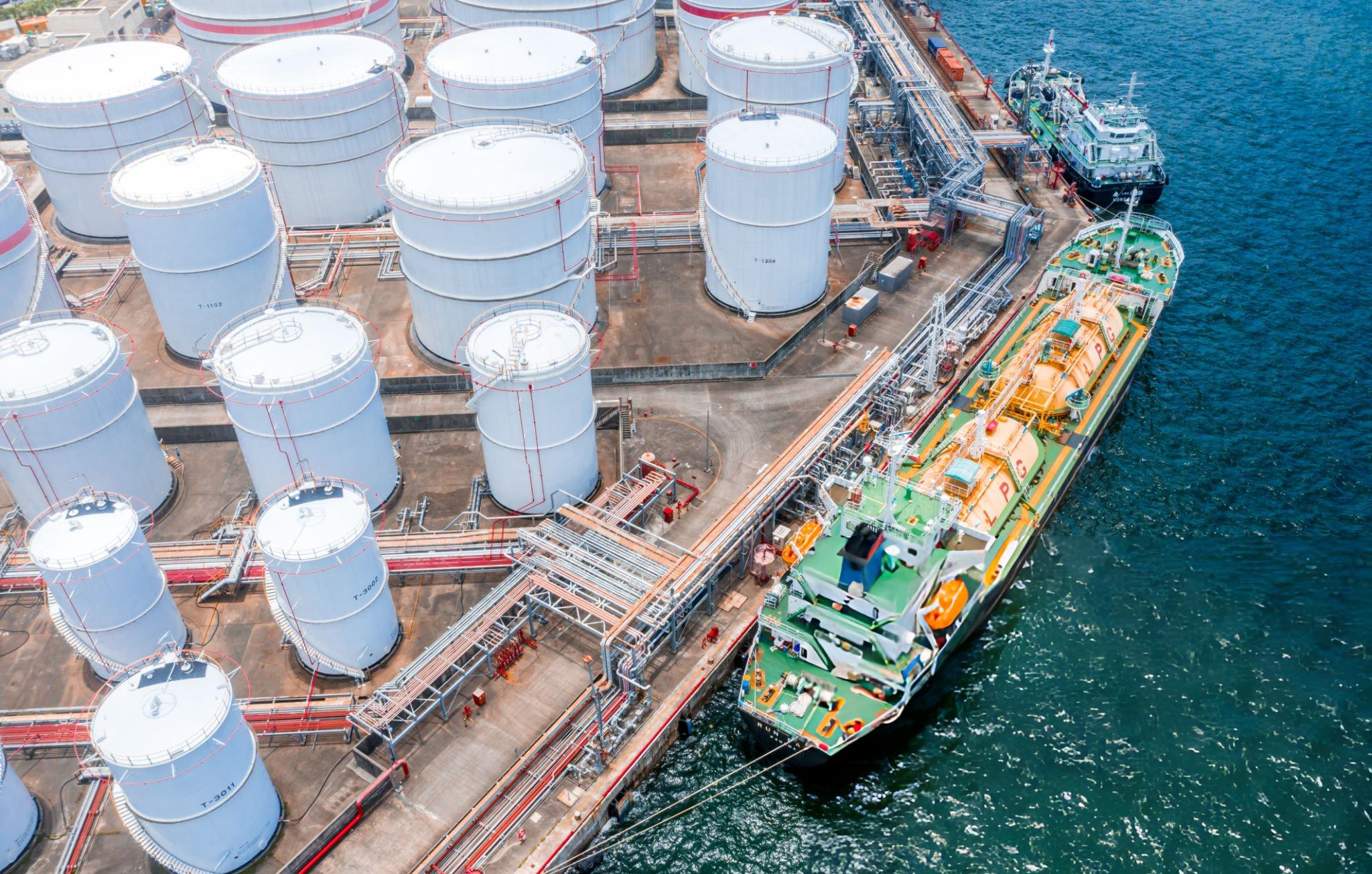
Energy transition is not limited to new technologies. It also involves adapting existing infrastructure, improving network efficiency and developing new connections as energy supply chains change.
2021–22 · Completed
The Capline system was reversed to move crude south from Patoka toward St. James, Louisiana, adapting an established pipeline corridor to changing crude-oil transportation requirements.
Existing infrastructure · Network adaptation
2026–28 · Development
A proposed approximately 56-mile underground pipeline would connect Enbridge facilities near Wood River with Energy Transfer's existing storage hub at Patoka, creating additional transportation capacity.
New connection · Existing network integration
2026 · Capacity development
Current infrastructure development around Patoka demonstrates how existing terminals, pipelines and transportation corridors can be integrated with new capacity to support changing energy flows.
Capacity · Connectivity · Infrastructure optimisation
Looking ahead
Building infrastructure that can adapt.
Patoka's role in the evolving energy system is centred on the continued development, integration and responsible operation of critical infrastructure. As energy markets change, future opportunities may include new transportation connections, expanded storage capabilities and infrastructure capable of supporting emerging energy requirements.
Areas of focus
Storage
Storage remains critical as supply sources diversify and energy markets become more dynamic.
Transportation
Pipeline, marine, terminal and logistics infrastructure connects production with storage, processing and demand.
Integration
Future energy systems will depend on infrastructure that can operate across increasingly diverse supply chains.
Markets
Strategic locations provide access to established energy markets while creating opportunities for new energy flows.
Infrastructure evolution
The transition does not happen through new infrastructure alone. Existing industrial sites, storage capacity, transportation networks and market connections can provide a foundation for new energy applications.
Patoka's approach is centred on understanding how infrastructure can evolve alongside changing products, technologies and commercial requirements.
Infrastructure · Storage · Transportation · Market access
Energy landscape
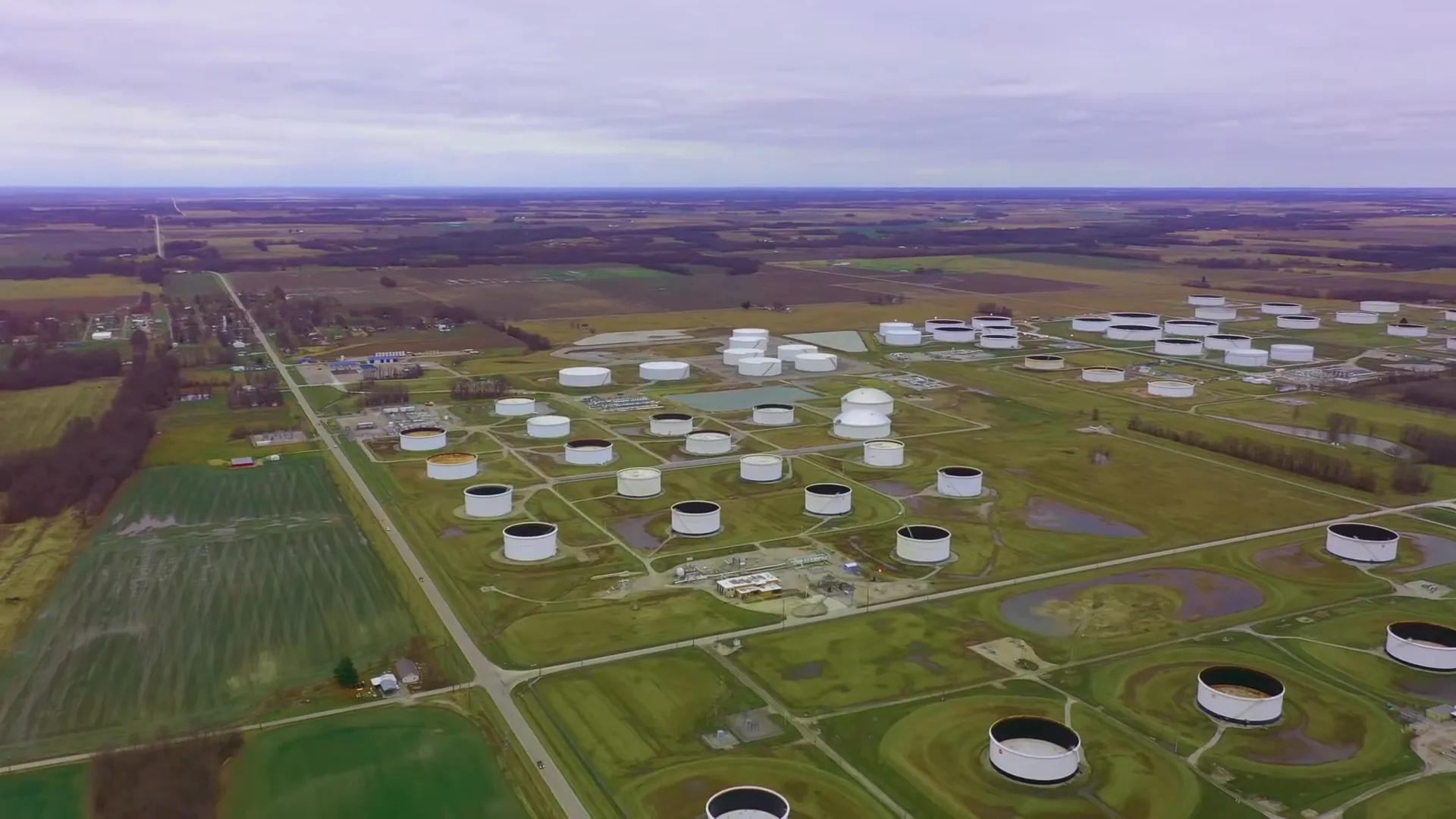
Energy transition will not be defined by a single technology or a single energy source. Infrastructure will remain central as markets balance reliability, affordability, security and the gradual adoption of lower-carbon solutions.
Today
Supporting established supply chains and the infrastructure required to keep energy markets operating.
Transition
Preparing assets, systems and operating capabilities for changing products and evolving market requirements.
Tomorrow
Identifying infrastructure opportunities created by new energy technologies, products and supply chains.
Patoka Oil Terminal
For enquiries about the terminal, its connections and commercial opportunities, contact the Patoka team.
Inbound · North Dakota · Western Canada · Wood River
Hub · Patoka, Marion County, Illinois
Outbound · Gulf Coast · Midwest refining