Patoka Oil Terminal

Bulk liquid storage & Logistics solutions

A strategic energy terminal supporting the movement, storage and connection of energy resources.

Patoka 38.75° N   89.09° W
Global Network

Connecting strategic energy locations across global markets.

Our geographic footprint extends across established energy, storage and maritime centres in North America, Europe, the Middle East and Asia.

United States

Patoka

North America

Netherlands Rotterdam Europe
United Arab Emirates Fujairah Middle East
Singapore Singapore Southeast Asia
Malaysia Malaysia Southeast Asia
China China Asia

Terminal at a glance

Infrastructure positioned across key energy regions.

Patoka provides the North American foundation of the network, with international locations extending across Europe, the Middle East and Asia. Terminal-specific figures are presented separately from the wider geographic footprint.

Patoka hub · published figures

19 MMbbl

More than 19 million barrels of storage across the Patoka hub

Energy Transfer · March 2020

80 tanks

Nearly 80 storage tanks across the hub

Energy Transfer · March 2020

12 systems

Pipeline systems connected to Midwest and Gulf Coast refineries

Energy Transfer · March 2020

8 companies

Companies owning storage or pipeline infrastructure at the hub

Energy Transfer · March 2020

International network · six locations · four regions

1 location

North America

Patoka · United States

1 location

Europe

Rotterdam · Netherlands

1 location

Middle East

Fujairah · United Arab Emirates

3 locations

Asia

Singapore · Malaysia · China

Network footprint

The network spans strategic energy locations from North America through Europe and the Middle East to established Asian markets, creating a geographic framework for international energy logistics and market connectivity.

Storage infrastructure

Tank storage that holds the network in balance.

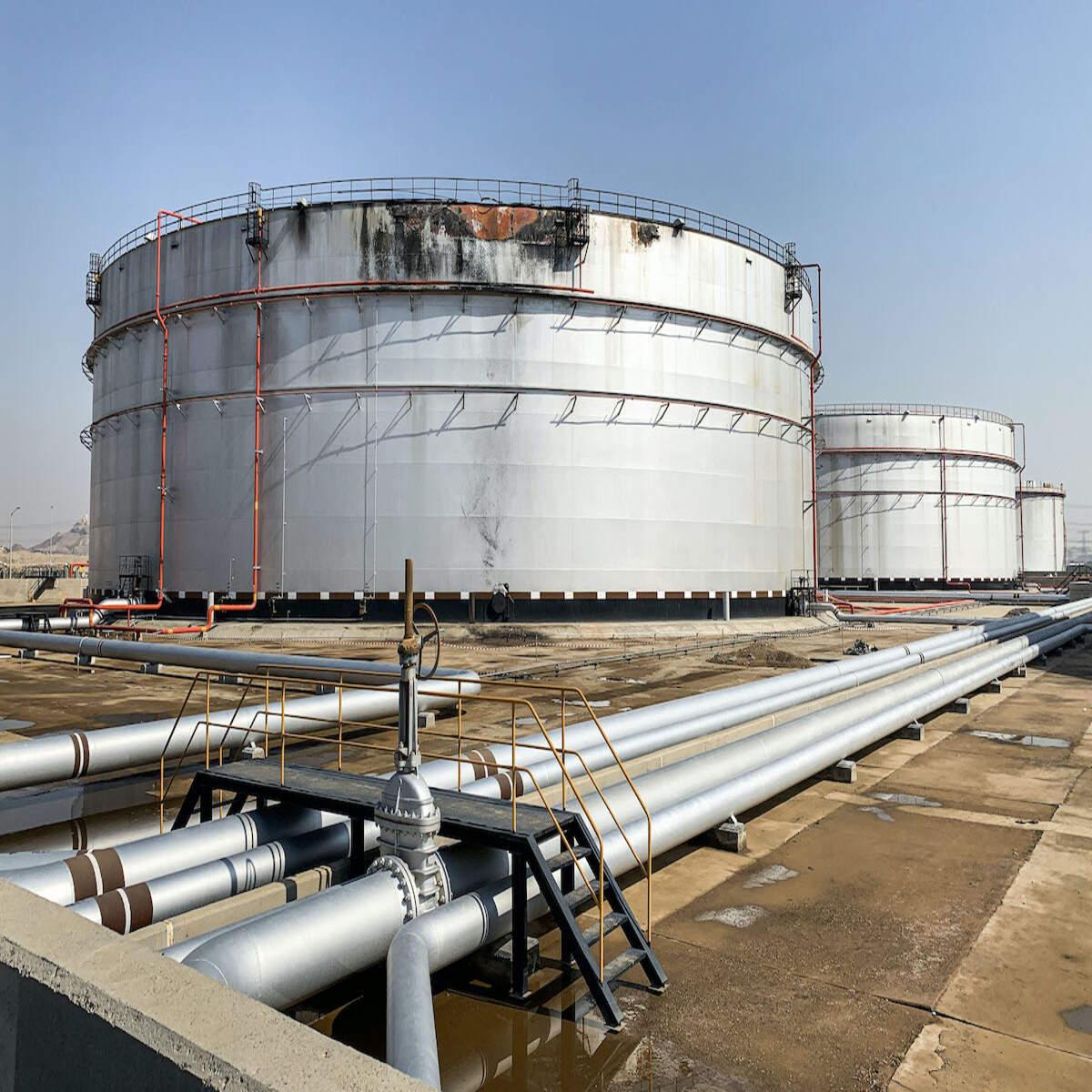
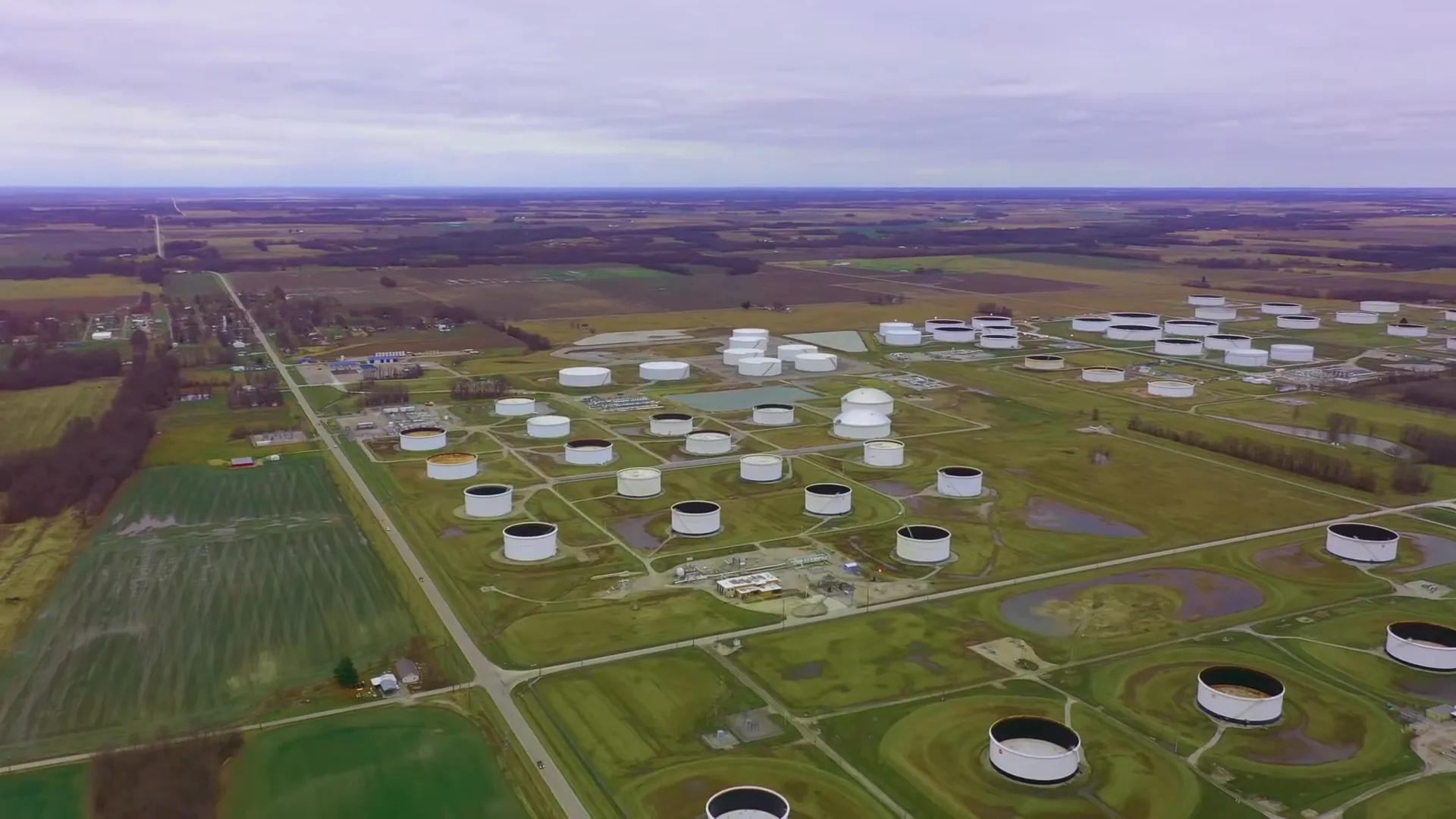
Storage lets crude arriving on one pipeline wait for space on the next. At Patoka, tank farms owned by several companies sit beside the pipelines they serve, spread across open farmland in Marion County.
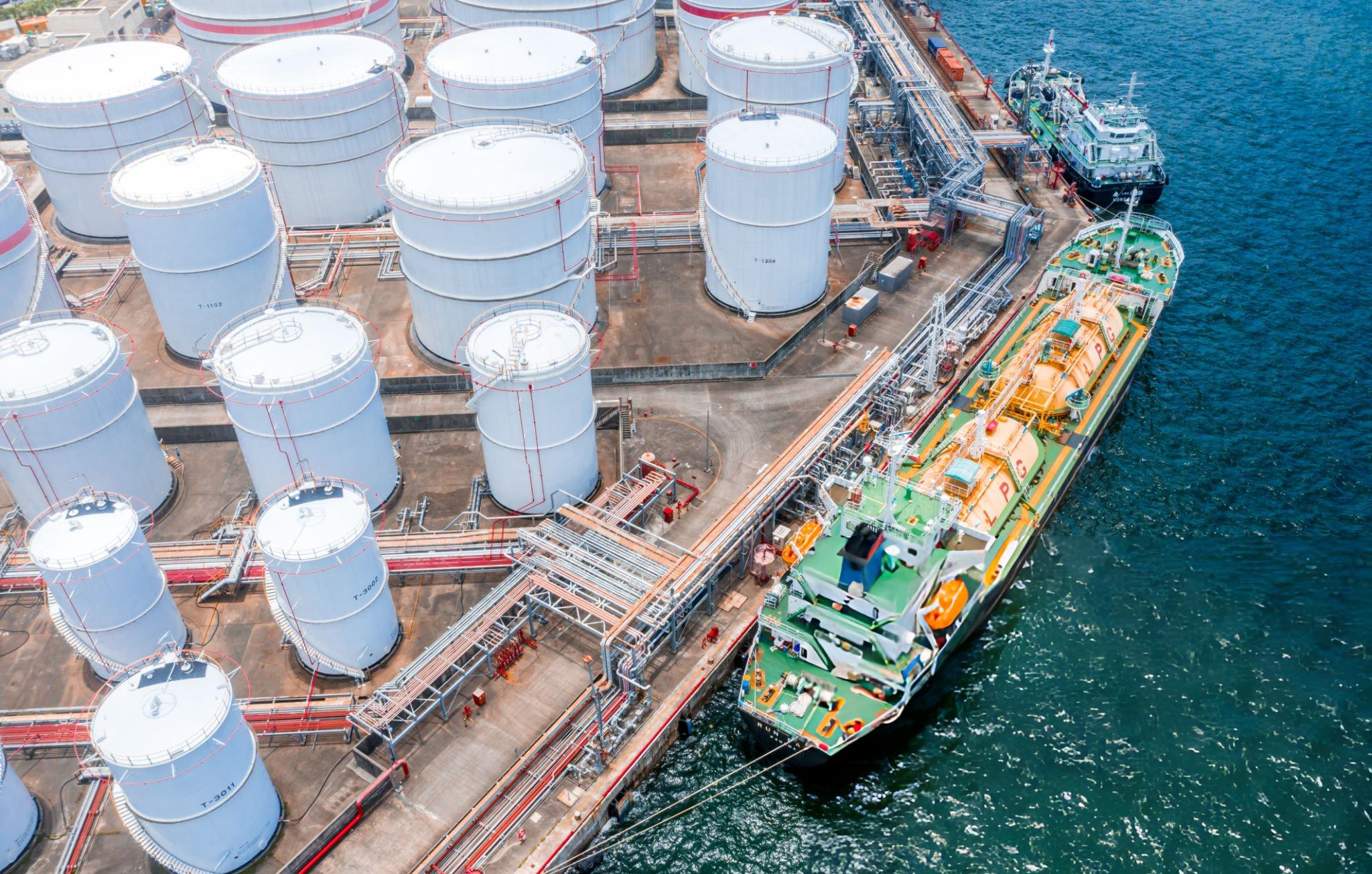
Low aerial view of large white above-ground crude oil storage tanks with access roads and drainage at Patoka, Illinois
Above-ground crude oil storage tanks, Patoka Aerial
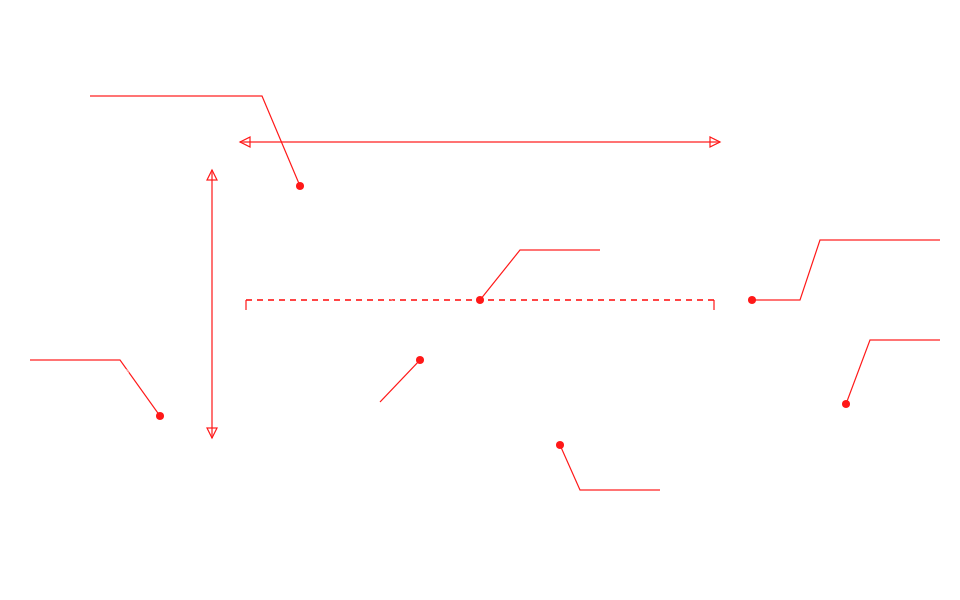
Technical elevation of a typical above-ground crude oil storage tank, labelling the floating roof, wind girder, welded shell courses, stairway, inlet and outlet nozzle, ring-wall foundation and containment berm. Illustrative, not to scale.
Hub storage
More than 19 million barrelsAll operators · Energy Transfer, March 2020
Tanks
Nearly 80All operators · Energy Transfer, March 2020
Patoka Terminal
Approx. 1.9 million barrelsEnergy Transfer / PEP joint venture tank farm · Form 10-K, FY2025
Land
234 acres, ownedPatoka Terminal · Form 10-K, FY2025
Products
Crude oil, refined petroleum products, fuel oils, middle distillates and other liquid hydrocarbons

Energy movement

Moving energy through connected infrastructure and global markets.

Energy infrastructure is a connected system. Supply moves through pipelines, terminals, storage facilities, transport networks and trading hubs before reaching its next destination.

Illustrative energy movement sequence showing supply receipt, measurement, storage, transfer and delivery across connected infrastructure
  1. Receipt

    Energy products enter a connected infrastructure system through pipelines, terminals, marine facilities, road networks and other established supply routes.

    Regional connection Infrastructure links production areas with storage facilities, trading centres and downstream markets.

  2. Measurement

    Volumes and product characteristics are monitored as energy moves between infrastructure systems, supporting operational control, commercial settlement and efficient transfer.

    Operational control Measurement and monitoring help maintain consistency as products move between suppliers, terminals and markets.

  3. Storage

    Storage provides flexibility within the energy supply chain, allowing products to be held, managed and scheduled according to supply, demand and market requirements.

    Infrastructure flexibility Strategic storage can connect incoming supply with future transportation, processing and trading requirements.

  4. Transfer

    Pumps, pipelines, manifolds and transfer systems move products from storage into the next stage of the supply chain.

    Connected infrastructure Transfer systems provide the physical link between terminals, transportation networks and downstream destinations.

  5. Delivery

    Energy ultimately moves toward refineries, industrial users, distribution networks, export facilities and international trading markets.

    Global reach Patoka's strategic network spans Patoka, Houston / Gulf Coast, Rotterdam, Fujairah, Singapore, Malaysia and China.

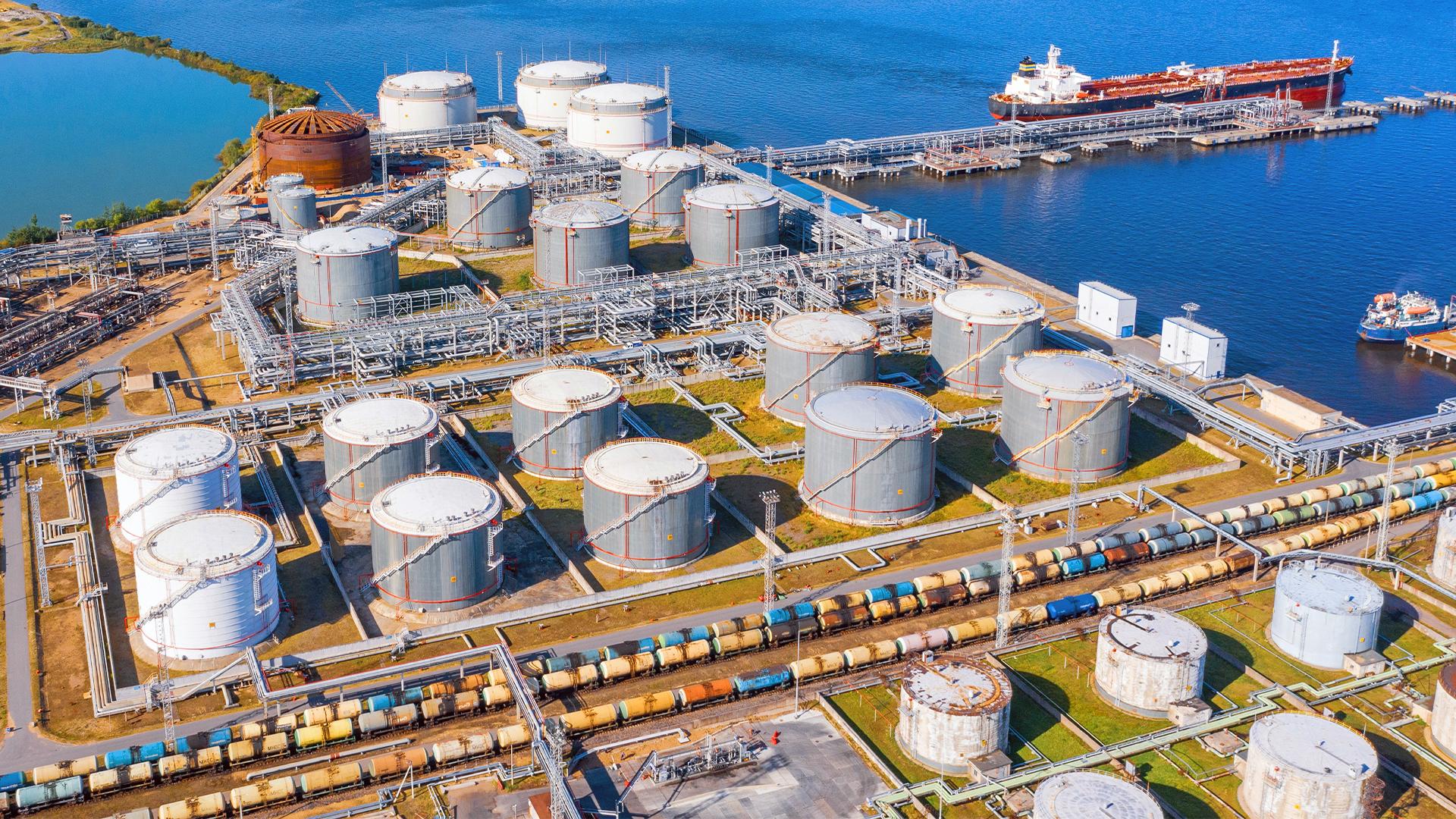
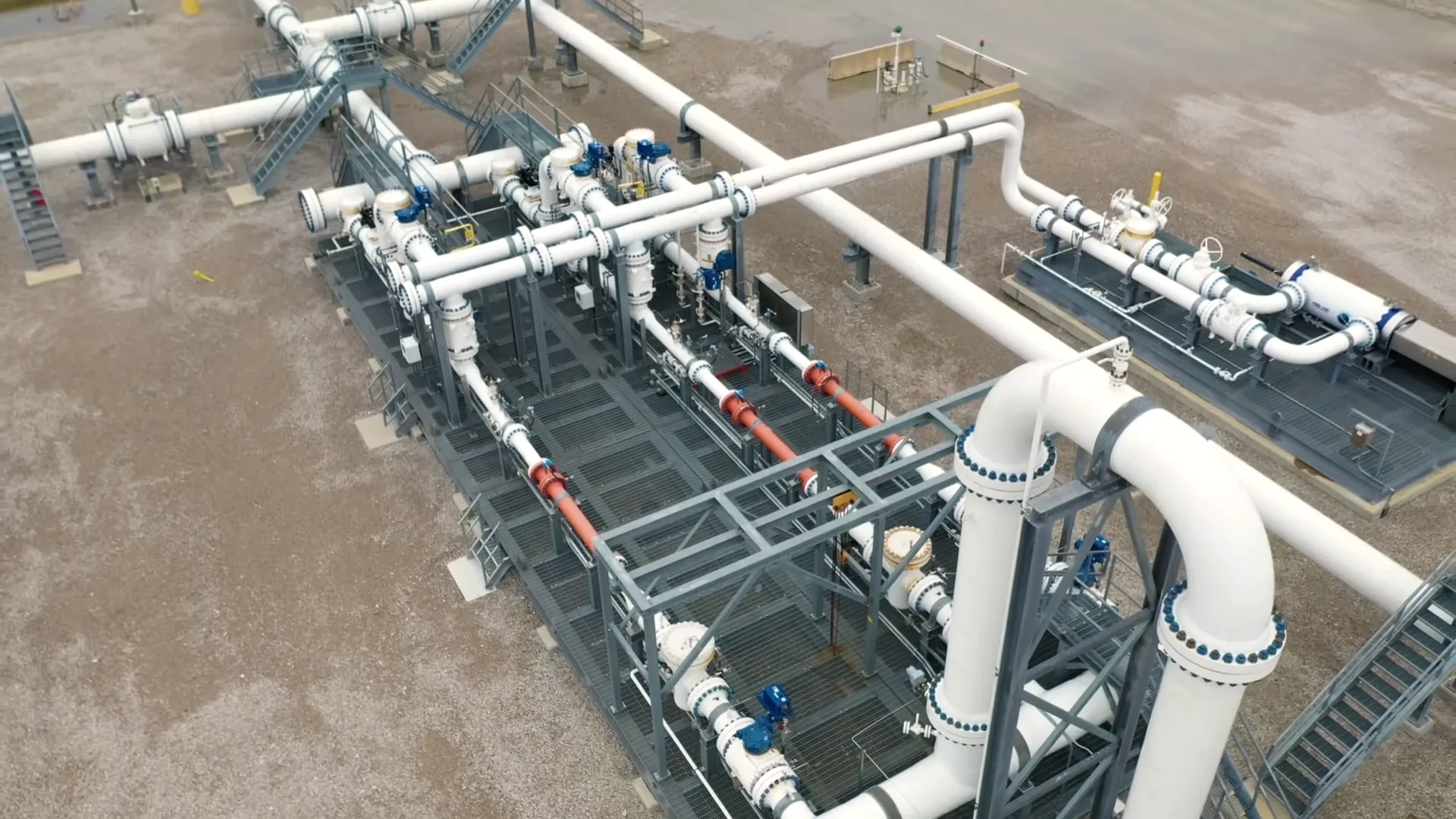
Industrial pipeline manifold and storage infrastructure
Energy transfer infrastructure Connected storage and transportation systems

Terminal operations

Receive. Store. Transfer.

Efficient energy infrastructure depends on the controlled movement of products between receiving systems, storage facilities, transportation networks and downstream markets.
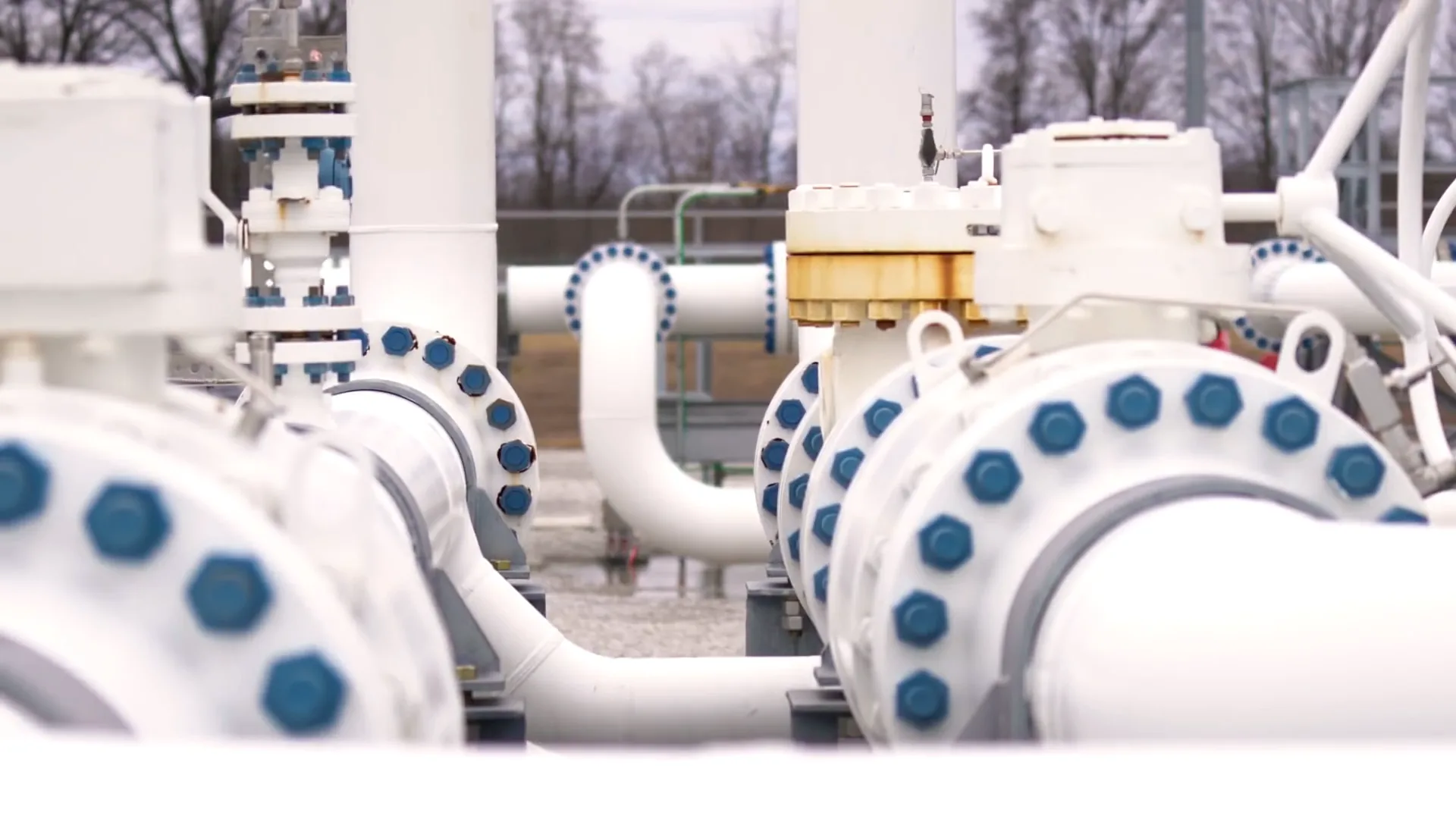
Close-up of industrial pipeline valves and flanged connections
Valves and transfer connections Terminal infrastructure
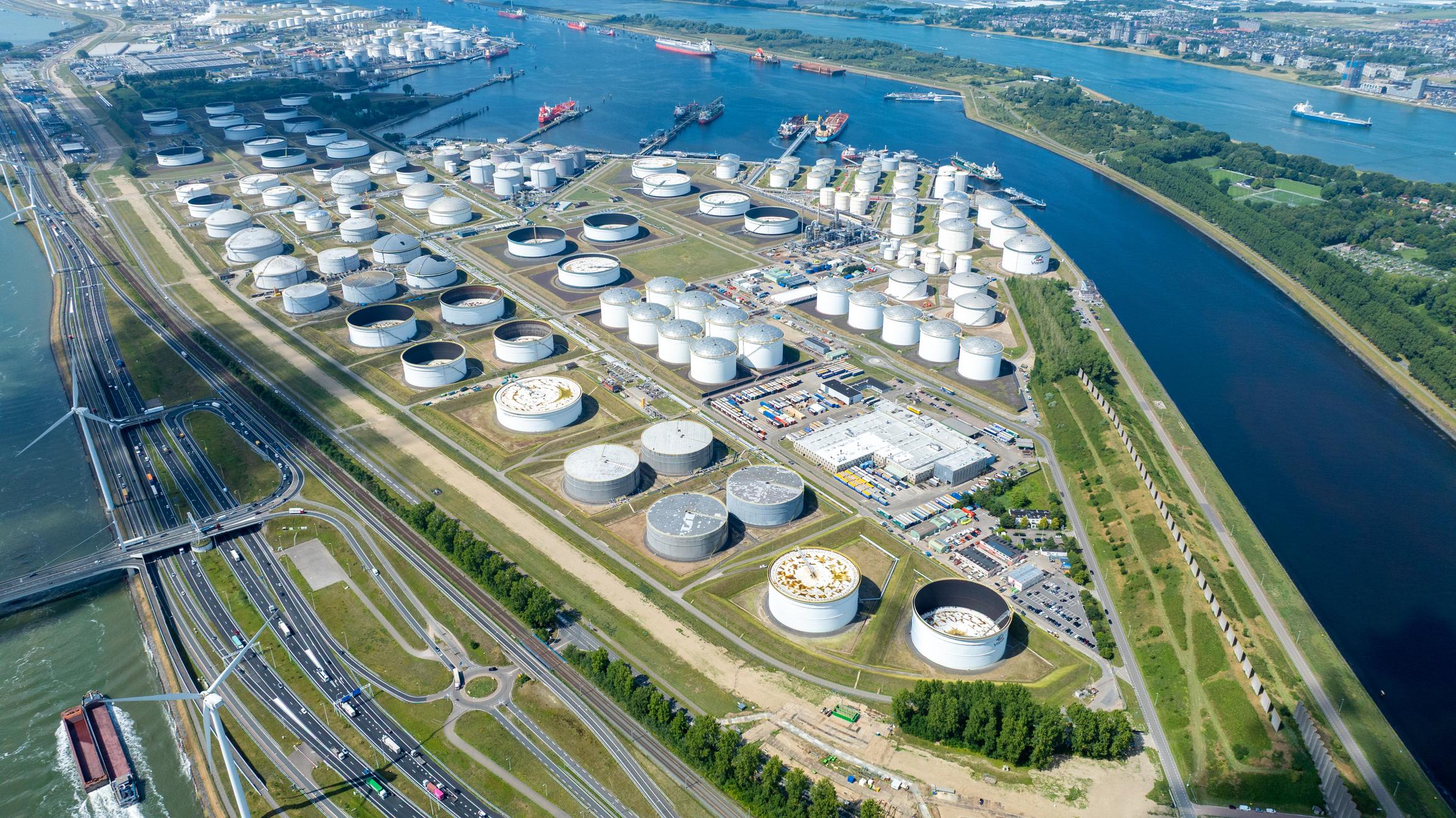
Aerial view of industrial pipeline manifold and transfer infrastructure
Pipeline manifold Transfer infrastructure

Product receipt

Energy products enter terminal systems through established pipelines, marine facilities, road networks and other transportation connections.

Supply and terminal interface

Storage management

Storage facilities provide controlled holding capacity between incoming supply and outbound transportation, supporting operational flexibility and market requirements.

Storage and inventory management

Transfer and distribution

Pumps, valves, manifolds and connected transportation systems allow products to move efficiently from storage toward their next destination.

Terminal transfer infrastructure

Market connection

Terminal operations connect physical infrastructure with regional and international markets, supporting producers, traders, refiners and industrial energy users.

Global energy network

Products

Energy products across the Patoka network

Patoka's wider infrastructure and market network is positioned around the movement, storage and distribution of energy products serving regional and international markets.

Product handling varies by terminal, market and infrastructure capability. The network encompasses crude oil, refined products, liquid petroleum gases, middle distillates, fuel components and other energy products.

Product category Examples Network role
Crude Oil Crude oil and regional crude streams Storage, transfer and connection to downstream markets
Refined Products Gasoline, diesel and other finished petroleum products Storage, distribution and market supply
LPG Liquefied petroleum gas Bulk storage, transfer and regional distribution
Naphtha Light petroleum feedstocks and blending components Storage, handling and connection to industrial markets
Middle Distillates Diesel, gasoil and related distillate products Storage, distribution and international trading
Fuel Oil Heavy fuel oil and related residual products Bulk storage, transfer and marine or industrial supply
Jet Fuel Aviation turbine fuel Storage, distribution and market connectivity
Renewable Energy Products Renewable fuels and emerging lower-carbon energy products Developing energy transition and market opportunities

Safety

Safety built into every stage of energy operations.

Safe and reliable energy infrastructure depends on disciplined operating procedures, asset integrity, environmental controls and effective emergency preparedness.

Operational integrity

Safety considerations extend across receiving, storage, transfer, transportation and maintenance activities, with procedures designed around the characteristics of each facility, product and operating environment.

Illustrative industrial energy infrastructure safety and asset integrity diagram

Asset integrity

Inspection & maintenance

Equipment, pipelines, tanks, valves and transfer systems require structured inspection and maintenance programs to support safe, reliable and continuous operations.

Process safety

Controlled operations

Operating procedures, monitoring systems and defined controls help manage operational risks across terminal and transportation activities.

Environment

Responsible handling

Environmental controls support responsible handling of energy products and help reduce the potential impact of terminal, transportation and storage activities.

Emergency readiness

Prepared to respond

Emergency procedures, personnel training, communication and response planning form an important part of responsible energy infrastructure management.
Patoka Oil Terminal

Connecting energy infrastructure with global markets.

For enquiries about our infrastructure, network, services and commercial opportunities, contact the Patoka team.

North America · Patoka · Houston / Gulf Coast

Europe & Middle East · Rotterdam · Fujairah

Asia · Singapore · Malaysia · China